Swollen legs are a common complaint in everyday life. This condition can interfere with daily activities and cause significant discomfort. The causes can vary widely, from something as simple as standing too long to more serious health problems.
This article will help you understand more about the causes, symptoms, and treatment of swollen legs so you can take the right steps.
What Are Swollen Legs?
Swollen legs, medically known as edema, is a condition in which excess fluid builds up in the tissues of the legs, causing swelling. Edema can be concentrated in one area, such as the ankle, or spread throughout the leg. This condition often occurs because of gravity, as body fluids seep out and collect in the lowest parts of the body, namely the legs and ankles, especially when standing or sitting for long periods.
Common Symptoms
The main symptom of swollen legs, or edema, is enlargement or an increase in the size of the affected area. Besides the swelling, other symptoms that may appear include:
- A Heavy Sensation: Swollen legs may feel heavier than usual, affecting comfort when walking or moving.
- A Tight or Taut Feeling: The skin around the swollen area may feel tight or taut, and sometimes looks shiny or glossy.
- Changes in Skin Color: The skin may look paler or darker in the swollen area, depending on how severe the swelling is and how long it has lasted.
- Finger Imprint Sign (Pitting Edema): When pressed with a finger, the swollen area may leave a dent or “finger imprint” that is slow to return to its original shape.
- Fatigue and Pain: Tiredness or pain is commonly felt, especially in the swollen area, and can interfere with daily activities.
Common Causes of Swollen Legs
Swollen legs can be caused by various factors, and it is important for us to recognize the possible causes so we can treat and prevent this condition properly. Here are some common causes of swollen legs:
- Water Retention and Hormonal Changes: Water retention is often influenced by hormonal changes, especially in women during the menstrual cycle or pregnancy. Certain hormones can make the body hold on to more fluid, causing the legs to swell. This condition is usually temporary and can improve on its own.
- Leg Injury or Trauma: Injury or trauma, such as a sprain, fracture, or bruise, can also cause swelling. When leg tissue is damaged, the body responds by sending more blood to the area for healing, which can lead to swelling. Resting the leg and applying an ice pack often helps speed up recovery.
- Chronic Diseases: Some chronic diseases, such as heart failure, kidney failure, or liver disease, can trigger swelling in the legs. For example, heart failure can disrupt normal blood circulation so that fluid builds up in the legs. If the swelling is caused by these conditions, it is usually accompanied by other symptoms and needs prompt medical treatment.
- Lifestyle Factors: Lifestyle factors such as often sitting or standing too long without moving also contribute to swollen legs. These habits slow blood circulation and encourage fluid to collect in the lower part of the body. Making sure you move regularly and raise your legs when possible can help reduce the risk of swelling.
Diagnosing Swollen Legs
Knowing when to seek medical help for swollen legs is an important step in looking after your health. The right diagnosis can help find the underlying cause of the swelling, so that the right treatment can be given.
When to Seek Medical Help
Although swollen legs are often not serious and can improve on their own, certain conditions need medical attention. You should see a doctor if the swelling is accompanied by other symptoms such as severe pain, redness, fever, or shortness of breath, because these may be signs of a serious problem that needs immediate treatment. In addition, if the swelling appears suddenly or gets worse, you should promptly consult a health facility.
Medical Examinations That May Be Done
When you see a doctor for swollen legs, several diagnostic steps may be taken to determine the underlying cause. The doctor will start with a physical examination and ask about your health history to evaluate the situation further. Here are some tests that may be recommended:
- Blood Tests: Blood tests can help identify conditions such as impaired kidney or liver function, or abnormal electrolyte levels. They can also assess whether there is an infection or inflammation that may be causing the swelling.
- Ultrasound (Ultrasonography): Ultrasound is used to look at the condition of the soft tissues and blood vessels in the legs. This test can help detect deep vein thrombosis or other circulation problems that may be causing the swelling.
- X-Ray and CT Scan: In some cases, imaging such as an X-ray or CT scan may be needed to examine the bone structure or look for trauma that is not visible from the outside.
- Heart Function Tests: If a link to a heart problem such as heart failure is suspected, heart function tests (such as an echocardiogram) may be needed to confirm the right diagnosis.
The right examinations will help the doctor determine the cause of swollen legs and develop an effective treatment plan.
Treatment and Management of Swollen Legs
Managing swollen legs does not always have to be complicated. Many simple steps can be done at home to relieve swelling or to complement medical treatment. Here are some commonly used methods:
Home Remedies
- Leg Elevation: Raising your legs level with or above the level of your heart can help speed up blood flow and reduce swelling. Try to sit or lie down with your legs raised several times a day.
- Cold Compress: Applying ice or a cold cloth to the swollen area can help reduce inflammation and discomfort. Make sure not to put ice directly on the skin; wrap the ice in a cloth or towel.
- Eat Low-Salt Foods: Reducing salt intake can help reduce fluid retention in the body. Try to limit processed foods and choose fresh foods that are healthier and lower in salt.
Use of Medications
- Diuretics: These medications, also known as “water pills”, are prescribed by doctors to help the body get rid of excess fluid through urine. They are useful in cases of swollen legs caused by certain medical conditions such as heart failure. Always use diuretics with a prescription and under a doctor’s guidance, because their use can have a significant effect on your health.
Recommended Physical Therapy and Exercises
- Light Exercise: Light physical activity such as walking or swimming can help improve blood circulation. It also helps reduce the risk of further swelling.
- Stretching: Stretch your legs and muscles, especially if you often sit or stand for long periods. This keeps you flexible and prevents fluid buildup.
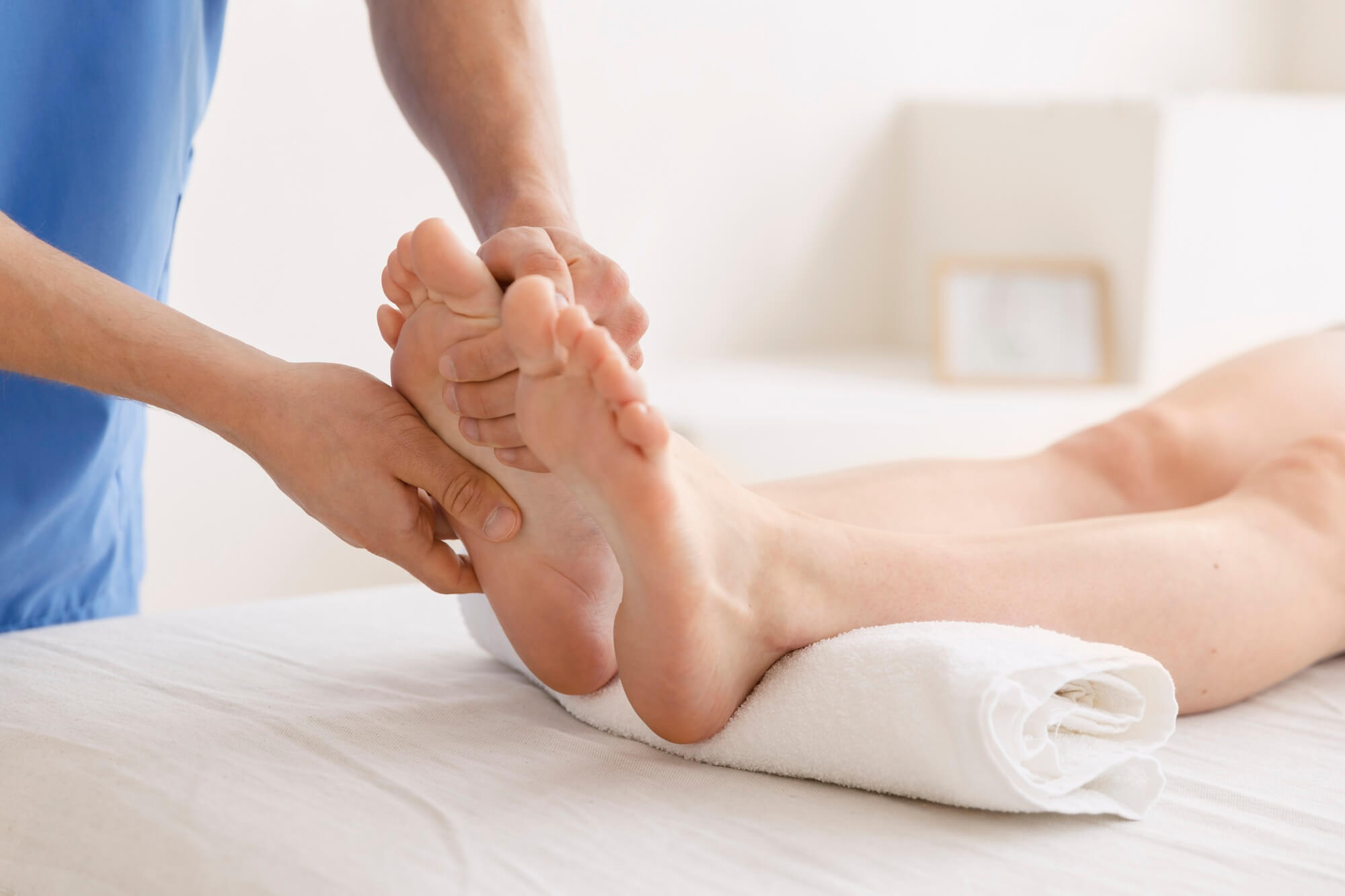
- Gentle Massage: A gentle massage on the swollen area can help move excess fluid back into the lymphatic vessels.
Managing swollen legs in the right way can improve comfort and prevent other, more serious problems.
When Should You See a Doctor?
Knowing when swollen legs need medical attention is important for looking after your health. Here are some signs that should not be ignored and important information you should prepare when consulting a doctor:
Warning Signs to Watch For
- Severe Pain: If the swelling comes with severe or worsening pain, this may indicate a serious problem such as deep vein thrombosis or an infection that needs prompt examination.
- Shortness of Breath: Sudden or unusual shortness of breath, together with swollen legs, may point to a problem with the heart or lungs. This condition needs immediate evaluation by medical staff.
- Red or Hot Skin: Swelling accompanied by red skin that feels warm may be a sign of infection or inflammation.
- Fever: Having a fever together with swollen legs may indicate a more serious complication and should be evaluated by a doctor promptly.
- Sudden or Worsening Swelling: Swelling that appears suddenly or gets worse quickly, without a clear reason such as an injury, needs medical examination.
Important Information to Share With Your Doctor
When consulting a doctor, providing the right information will help diagnose the cause of the swelling more accurately:
- Health History: Tell the doctor about the health conditions you have had, especially if you have a history of heart, kidney, or liver disease.
- List of Medications: Include all the medications you take, both prescription and over-the-counter, because some of them can cause or worsen swelling.
- Swelling Pattern: Explain when the swelling occurs, and whether it gets worse at certain times or after certain activities.
- Accompanying Symptoms: Mention other symptoms you may have, such as pain, shortness of breath, or fever, and how these symptoms have developed.
- Triggering Factors: Have you recently had an injury, a change in diet, or been standing or sitting for long periods?
Preventing Swollen Legs
To reduce the risk of swollen legs, it is important for us to take effective preventive steps. Here are some tips and healthy habits that can help keep your legs healthy:
Tips to Lower the Risk of Swollen Legs
- Move Regularly: Avoid sitting or standing for long periods. Try to take a short break and move your legs every hour to improve blood circulation.
- Wear Comfortable Shoes: Choose shoes that fit well and are comfortable for your daily activities. Wear shoes with good foot support and avoid shoes that are too tight.
- Raise Your Legs: When resting, try to raise your legs higher than the level of your heart. This helps fluid drain back and reduces swelling.
- Wear Compression Stockings: For those who often have swollen legs, compression stockings may help by applying pressure to the legs to prevent fluid from collecting.
Healthy Habits to Keep Your Legs Healthy
- Stay Physically Active: Regular exercise such as walking, swimming, or cycling is not only good for your general health but also improves blood flow in the legs.
- Eat a Balanced Diet: Keep your sodium intake low to prevent fluid retention. Eat more fruits and vegetables rich in potassium, such as bananas and potatoes.
- Stay Well Hydrated: Make sure your body is well hydrated, because dehydration can affect the body’s fluid balance.
- Watch Your Weight: Maintaining an ideal body weight can reduce pressure on your legs and joints, minimizing the risk of swelling.
- Massage Your Legs Regularly: Gently massaging your legs from time to time can help stimulate blood circulation and reduce tension.
By applying these tips and healthy habits, you can better look after the health of your legs and reduce the risk of swollen legs. Prevention is always better than cure, so start applying these steps in your daily routine.