Early detection and prompt treatment are very important in managing arrhythmia. The sooner an arrhythmia is detected, the greater the chance of preventing serious complications and improving quality of life.
Have you ever felt your heart pounding irregularly? Or perhaps felt your heart beating very fast or very slowly? If so, these complaints may be a sign of arrhythmia that should be confirmed through an examination by a doctor.
What Is Arrhythmia?
Arrhythmia is a condition in which the heartbeat is irregular or abnormal. Imagine the heart as a drum beating with a steady rhythm. In arrhythmia, the rhythm of the heartbeat becomes irregular, like a drum being struck at an inconsistent tempo.
Why Is It Important to Understand Arrhythmia?
Understanding arrhythmia is very important because this condition can have a serious impact on your health. If not treated properly, arrhythmia can lead to various problems, such as:
- Fatigue: A heart that works hard to pump blood irregularly can make you feel tired and weak.
- Dizziness: Arrhythmia can reduce blood flow to the brain, which can cause dizziness or fainting.
- Shortness of breath: If the heart does not pump blood efficiently, you may experience shortness of breath.
- Chest pain: Arrhythmia can cause chest pain that feels like pressure or tightness.
- Heart attack: In some cases, arrhythmia can trigger a heart attack.
The good news is that arrhythmia can be treated. With the right diagnosis and treatment, you can control this condition and prevent serious complications.
Getting to Know Arrhythmia
To understand arrhythmia better, let’s discuss its types, what causes it, and the symptoms to watch out for.
Types of Arrhythmia
Arrhythmia comes in many types, and each type has its own characteristics and effects. Let’s go through the types of arrhythmia one by one.
Here are some common types of arrhythmia:
- Fast Heart Rate (Tachycardia): Tachycardia is a condition in which the heart beats too fast. Normally, an adult’s heart rate is 60 to 100 beats per minute. In tachycardia, the heart rate can reach 100 beats per minute or more.
- Fast Sinus Rhythm (Sinus Tachycardia): The most common type of tachycardia, which occurs when the SA node (the control center of the heartbeat) sends electrical signals too quickly. It usually occurs because of factors such as exercise, stress, caffeine, or certain medications.
- Fast Rhythm From Above the Ventricles (Supraventricular Tachycardia): This type of tachycardia starts in the atria or the AV node (the junction that connects the atria and the ventricles). This condition can cause a very fast heart rate, reaching 150 to 250 beats per minute.
- Fast Rhythm From the Ventricles (Ventricular Tachycardia): This type of tachycardia starts in the ventricles. It is a serious condition that can cause a heart attack or sudden death if not treated promptly.
- Slow Heart Rate (Bradycardia): Bradycardia is a condition in which the heart beats too slowly. A slow heart rate, less than 60 beats per minute, can cause dizziness, fatigue, shortness of breath, or fainting.
- Slow Sinus Rhythm (Sinus Bradycardia): This type of bradycardia occurs when the SA node sends electrical signals slowly. It usually occurs because of factors such as certain medications, problems with the SA node, or problems with the nervous system.
- Blocked Electrical Signals (Heart Block): This condition occurs when the electrical signals passing through the heart are blocked or delayed, causing the heart rate to become slow.
- Irregular Upper Chamber Rhythm (Atrial Fibrillation): Atrial fibrillation is the most common type of arrhythmia. It occurs when the atria, the upper chambers of the heart, beat rapidly and irregularly. Atrial fibrillation can cause a stroke if left untreated.
- Irregular Lower Chamber Rhythm (Ventricular Fibrillation): Ventricular fibrillation is a serious and life-threatening condition. It occurs when the ventricles, the lower chambers of the heart, beat rapidly and irregularly. This condition leaves the heart unable to pump blood effectively throughout the body.
Causes of Arrhythmia
Many factors can cause arrhythmia, including:
- Congenital Heart Disease: Congenital heart disease, a heart condition that has been present since birth, can cause arrhythmia. Examples include abnormalities of the heart valves or blood vessels.
- Coronary Heart Disease: Disease caused by narrowing or blockage of the heart’s blood vessels can trigger arrhythmia. Examples include a heart attack or a blocked coronary artery.
- Hypertension (High Blood Pressure): High blood pressure can make the heart work harder and cause arrhythmia.
- Diabetes: Diabetes can damage the heart’s blood vessels and increase the risk of arrhythmia.
- Use of Certain Medications: Some medications can cause arrhythmia as a side effect.
- Thyroid Disorders: An overactive thyroid gland (hyperthyroidism) or an underactive one (hypothyroidism) can cause arrhythmia.
- Excessive Alcohol or Caffeine Consumption: Consuming alcohol or caffeine in excessive amounts can trigger arrhythmia.
- Stress: Stress can cause hormonal changes that may trigger arrhythmia.
- Electrolyte Imbalance: Imbalanced levels of electrolytes such as potassium, sodium, and magnesium can disrupt the heart’s electrical signals.
- Lung Disease: Lung diseases such as chronic obstructive pulmonary disease (COPD) can cause arrhythmia.
- Kidney Disease: Kidney disease can cause certain substances to build up in the blood, which can disrupt the heart’s electrical signals.
Symptoms of Arrhythmia
Symptoms of arrhythmia can vary depending on the type of arrhythmia and how serious the condition is. Here are some common symptoms of arrhythmia:
- Fast or Slow Heartbeat: You may feel your heart pounding very fast or very slowly.
- Palpitations: You may feel your heart pounding irregularly, as if a butterfly were flapping its wings inside your chest.
- Dizziness: Arrhythmia can reduce blood flow to the brain, making you feel dizzy.
- Weakness: Arrhythmia can make you feel tired and weak.
- Shortness of Breath: Arrhythmia can keep the heart from pumping blood efficiently, making you feel short of breath.
- Chest Pain: Arrhythmia can cause pain or pressure in the chest.
- Loss of Consciousness: In some cases, arrhythmia can cause fainting or loss of consciousness.
Important to remember! If you experience symptoms of arrhythmia, consult a cardiologist promptly for an accurate diagnosis and proper treatment before it is too late.
Diagnosis and Treatment of Arrhythmia
Don’t let fear take over; see a cardiologist promptly for an accurate diagnosis. With modern technology, doctors can detect the cause of your heart rhythm disorder and determine the right treatment.
How Arrhythmia Is Diagnosed
To diagnose arrhythmia, the doctor will perform several tests, including:
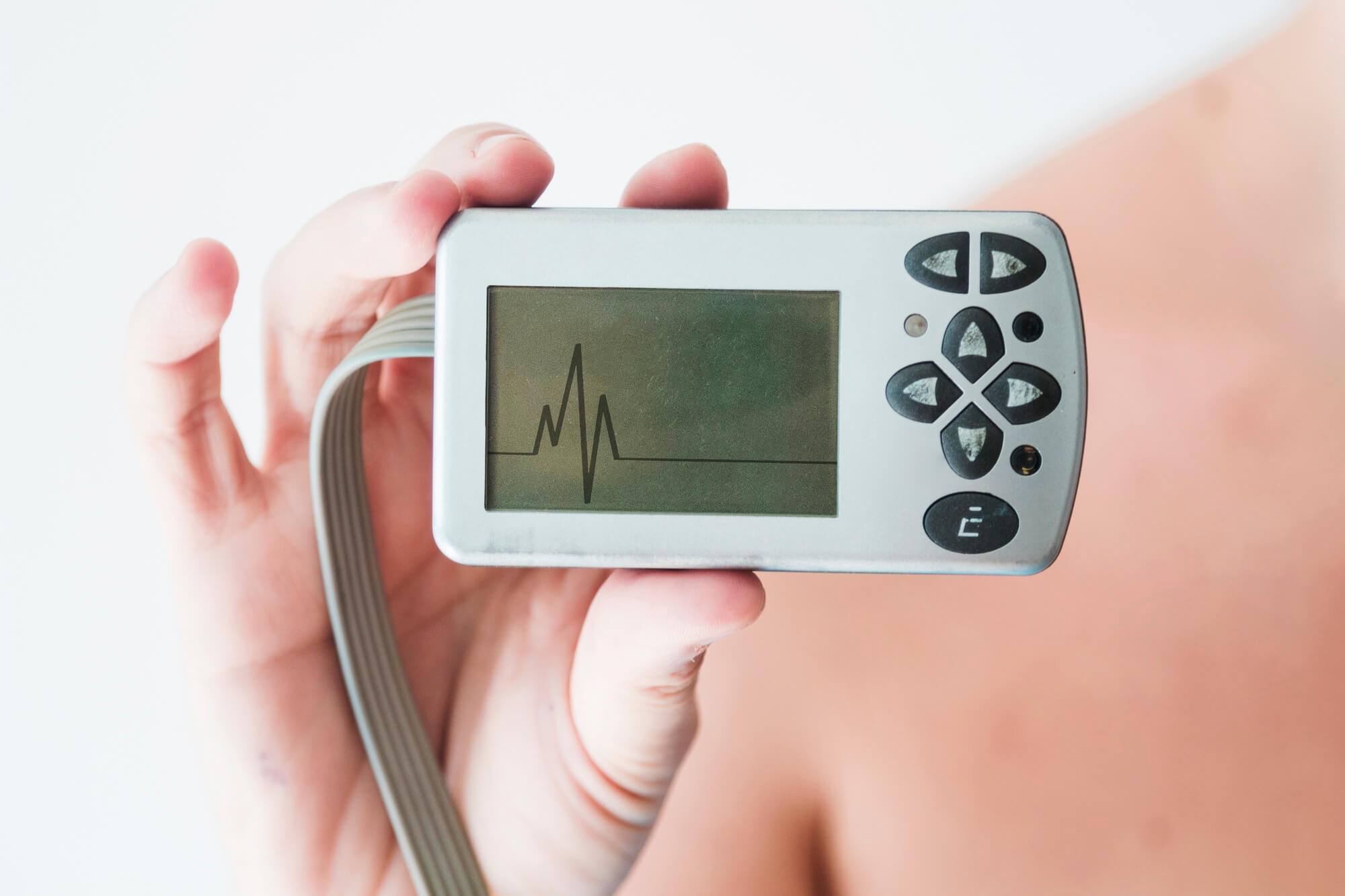
- ECG (Electrocardiogram): An ECG is a test that records the heart’s electrical activity. Electrodes are placed on the skin to detect and record the heart’s electrical signals. An ECG can show an irregular heartbeat, changes in heart rhythm, or signs of heart damage.
- Holter Monitor: A Holter monitor is a small device that you wear for 24 hours or longer to record your heartbeat. This device can help detect arrhythmias that occur only occasionally or are not picked up during a standard ECG.
- Echocardiogram: An echocardiogram uses sound waves to create images of the heart. This test helps the doctor see the structure of the heart, the size of the heart chambers, and blood flow through the heart.
- Cardiac Catheterization: Cardiac catheterization is a procedure that uses a thin, flexible catheter to examine the heart chambers and blood vessels. The catheter is inserted through a blood vessel in the arm or thigh and guided to the heart. This procedure helps the doctor identify heart problems, such as blocked blood vessels or heart valve abnormalities.
Arrhythmia Management and Treatment Options
Treatment options for arrhythmia depend on the type of arrhythmia, how serious the condition is, and your overall health. Here are some common treatment options:
- Medications: There are various types of medications that can be used to control the heartbeat. These medications can help slow down a fast heartbeat, speed up a slow heartbeat, or regulate an irregular heart rhythm.
- Ablation Procedure: An ablation procedure uses heat or cold energy to destroy the heart tissue that causes the arrhythmia. This procedure is performed by inserting a catheter into the heart through a blood vessel.
- Cardiac Pacing Device (Pacemaker): A cardiac pacing device, or pacemaker, is a small device placed in the chest to regulate a slow heartbeat. This device sends electrical signals to the heart to regulate the heartbeat.
- Implantable Cardioverter Defibrillator (ICD): An ICD is a small device placed in the chest to deliver an electric shock to the heart if a dangerous arrhythmia occurs. An ICD is usually used to prevent sudden death in high-risk patients.
- Lifestyle Modification: Sometimes, lifestyle changes such as reducing stress, quitting smoking, maintaining a healthy weight, and eating healthy foods can help control arrhythmia.
Preventing Arrhythmia
Arrhythmia can feel very frightening. But don’t panic! You can reduce your risk of arrhythmia by adopting a healthy lifestyle. Think of your heart as an engine that needs regular maintenance. With the following prevention tips, you can keep your heart healthy and avoid arrhythmia.
Healthy Lifestyle
Although some causes of arrhythmia cannot be controlled, you can reduce your risk of arrhythmia by adopting a healthy lifestyle. Here are some tips to maintain your heart health:
- Manage Your Diet: Eat healthy, balanced meals rich in fruits, vegetables, and whole grains. Limit your intake of salt, sugar, and saturated fat.
- Exercise Regularly: Exercise regularly, for at least 30 minutes every day. Exercise helps maintain a healthy weight, improve blood flow, and strengthen the heart.
- Manage Stress: Stress can trigger arrhythmia. Find ways to manage stress, such as yoga, meditation, or spending time in nature.
- Reduce Alcohol and Caffeine Consumption: Excessive consumption of alcohol and caffeine can trigger arrhythmia. Avoid or reduce your consumption of alcohol and caffeine.
- Quit Smoking: Smoking is very harmful to the heart. Quitting smoking can help reduce the risk of arrhythmia and other heart diseases.
Routine Health Checkups
In addition to adopting a healthy lifestyle, it is important to have routine health checkups to detect arrhythmia and other heart diseases early. Routine health checkups can help doctors diagnose health problems early, when they are still easier to treat.
Here are some routine health checks that are important for maintaining heart health:
- Blood Pressure Check: High blood pressure is a major risk factor for arrhythmia. Have your blood pressure checked regularly to make sure it is within the normal range.
- Cholesterol Level Check: High cholesterol levels can cause blocked blood vessels and increase the risk of heart disease. Have your cholesterol levels checked regularly to make sure they are within the normal range.
- ECG (Electrocardiogram): An ECG is a test that can detect arrhythmia and other heart problems. Have an ECG done regularly, especially if you have a history of heart disease or risk factors for arrhythmia.
By adopting a healthy lifestyle and having routine health checkups, you can reduce your risk of arrhythmia and maintain your heart health.
Conclusion
Arrhythmia, or heart rhythm disorder, is a condition that occurs when the heartbeat is irregular or abnormal. This condition can be caused by various factors, ranging from congenital heart disease to unhealthy lifestyle habits. Although it sometimes causes no symptoms, arrhythmia can lead to serious complications if not treated properly.
Early detection and prompt treatment are very important in managing arrhythmia. The sooner an arrhythmia is detected, the greater the chance of preventing serious complications and improving quality of life.
The good news is that medicine continues to develop and offer new hope for people with arrhythmia. The development of the latest technologies, such as sophisticated pacemakers and more precise ablation procedures, is paving the way for more effective and safer arrhythmia treatment.
Take care of your heart health by consulting medical professionals regularly, especially if you have risk factors for arrhythmia. Routine health checkups can help detect heart problems early and prevent serious complications. If you experience symptoms of arrhythmia, such as an irregular heartbeat, palpitations, dizziness, or shortness of breath, contact a cardiologist promptly.
Remember, heart health is a valuable asset. With awareness, early detection, and proper treatment, you can live a healthy and active life.