Your medical checkup (MCU) results have just arrived, and one number catches your attention: SGOT. It may be slightly above the normal range, even though you feel healthy and have no symptoms. What does this result actually mean? Does it always indicate a liver problem?
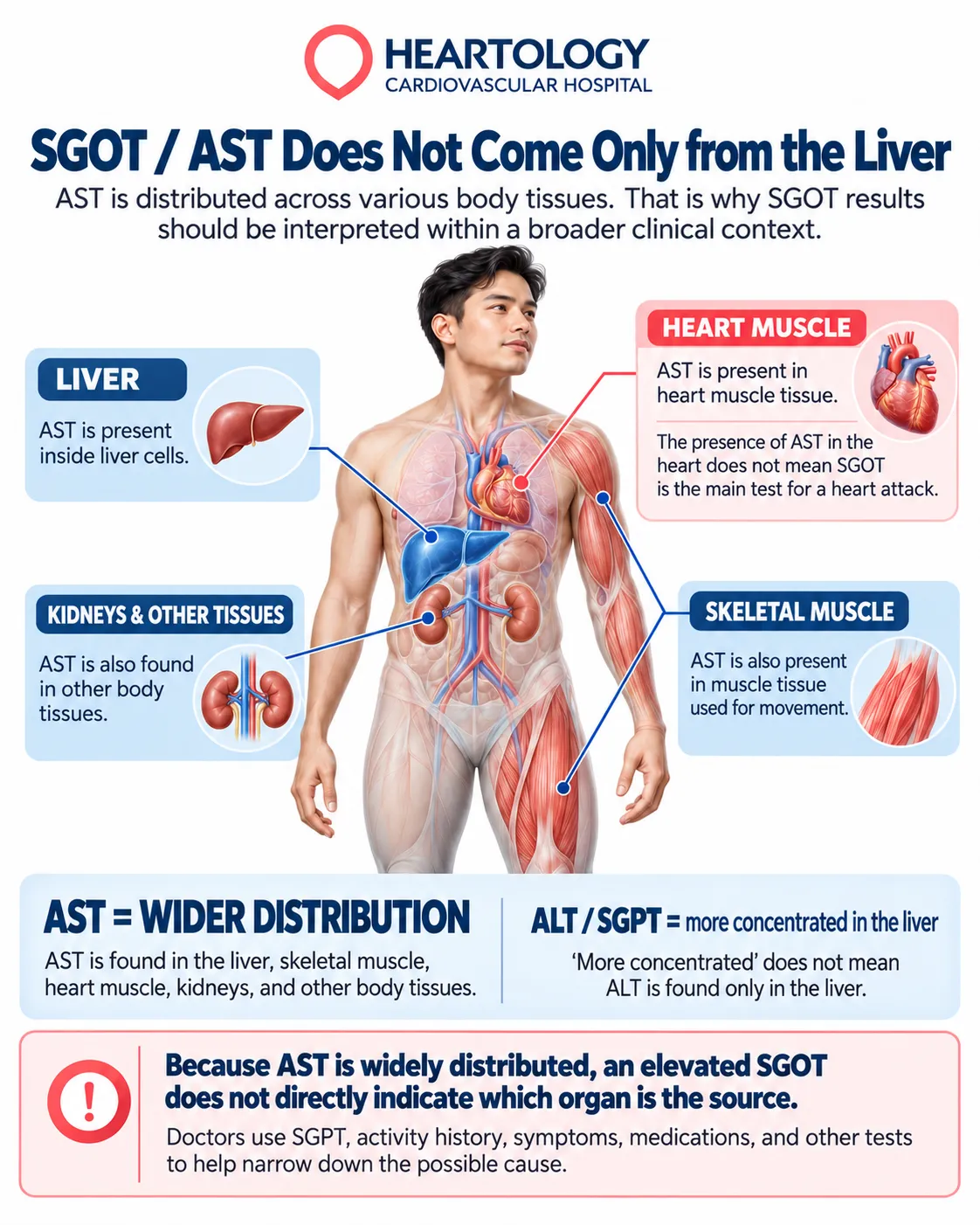
SGOT is an enzyme also known as AST (aspartate aminotransferase). This enzyme is found in the liver, muscles, heart, and several other tissues throughout the body. When cells in these tissues are injured, AST can be released into the bloodstream, causing its level to rise.
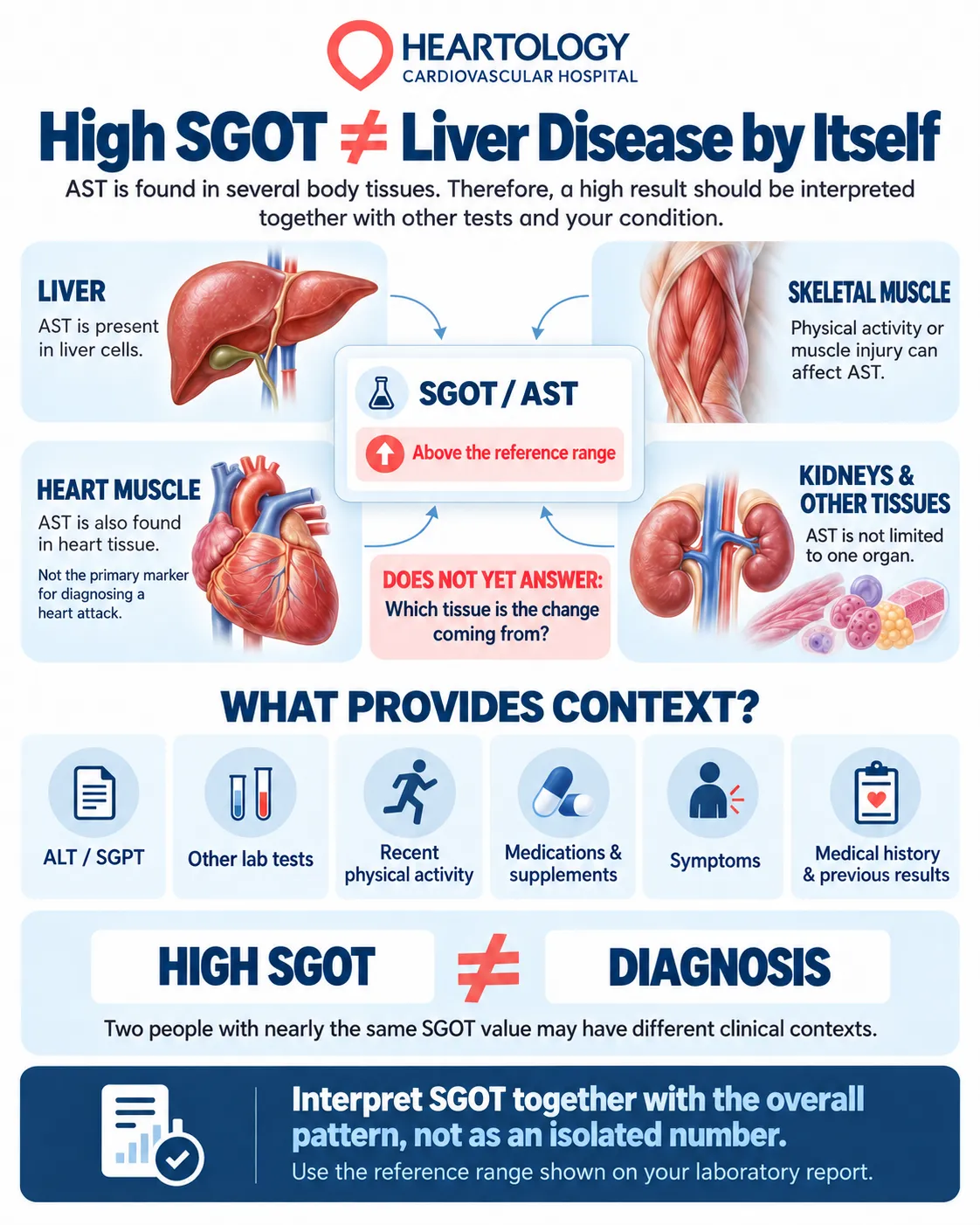
However, an elevated SGOT level does not automatically indicate a specific disease. Your doctor needs to interpret the result alongside SGPT, other laboratory parameters, your medical history, and your clinical condition.
Understanding this distinction can help you avoid jumping to conclusions about your MCU results. Read on to learn what SGOT does, its normal range, the possible causes of elevated levels, and what steps you can take after testing.
[hw_info_box]
type: quick_summary
title: Key Facts About SGOT
icon: information
description: Here are the main facts to help you understand what SGOT means on your blood test report.
point: SGOT is another name for the enzyme AST.
point: AST is found in the liver, muscles, heart, and other tissues.
point: SGOT reference ranges may vary between laboratories..
point: An elevated SGOT result does not establish a specific diagnosis..
point: SGPT and other laboratory parameters help provide context..
point: Follow-up decisions take your symptoms and medical history into account..
[/hw_info_box]
What Is SGOT and What Does It Do?
SGOT (serum glutamic-oxaloacetic transaminase) is an older name for the enzyme AST (aspartate aminotransferase). This enzyme plays a role in amino acid metabolism. Amino acids are the building blocks of proteins that the body needs.
Most AST is found inside cells. Under normal circumstances, therefore, the amount of this enzyme detected in the blood is relatively low. When cells are injured, some AST can leak into the bloodstream, causing blood test results to rise.
Doctors often use the SGOT test to help detect possible liver cell injury. However, because AST is not found exclusively in the liver, this test cannot be used on its own to establish a diagnosis.
Where Is SGOT Found in the Body?
AST is found in various tissues, particularly:
- Liver: An organ involved in nutrient metabolism, processing various substances, and producing bile.
- Skeletal muscles: Muscle tissues that allow the body to move and perform physical activities.
- Heart muscle: The muscle tissue responsible for pumping blood throughout the body.
- Kidneys and other tissues: AST is also present in the kidneys and several other tissues.
This distribution explains why an elevated SGOT result does not immediately identify which organ may be affected.
For example, an increase in AST after very intense physical exercise needs to be assessed differently from an increase in someone with hepatitis. Doctors consider recent physical activity, symptoms, and other test results to help distinguish between possible causes.
Why Is SGOT Measured Through a Blood Test?
An SGOT test measures the activity of the AST enzyme in the blood. It helps doctors detect, evaluate, or monitor conditions associated with cell injury, particularly in the liver.
SGOT is often included in a group of tests commonly called liver function tests. However, this term needs to be understood in context.
AST is a marker of possible cell injury, not a direct measure of the liver’s overall ability to perform its functions.
To assess liver health more comprehensively, your doctor may consider other tests, such as bilirubin, albumin, or prothrombin time (PT), when clinically indicated.
SGOT Testing and Preparation
An SGOT test involves collecting a blood sample. It may be included in a routine medical checkup, an evaluation of symptoms, or monitoring of certain medical conditions.
The test does not always require special preparation. However, pre-test instructions may differ if SGOT is measured alongside other laboratory parameters.
Who May Need an SGOT Test?
Your doctor may consider ordering an SGOT test in several situations, including:
- Routine health screening or a medical checkup (MCU).
- Evaluation of symptoms that may be associated with liver problems.
- Monitoring patients with known liver disease.
- Testing individuals with certain risk factors, such as diabetes or obesity.
- Monitoring treatments that require liver enzyme evaluation.
- Follow-up testing after previously abnormal AST or ALT results.
Individual testing needs may vary.
For example, someone who discovers an elevated SGOT level during an annual medical checkup may need an initial evaluation. In contrast, a patient receiving certain medications may undergo testing to monitor changes over time.
There is therefore no single SGOT testing schedule that applies to everyone.
How Is the Blood Sample Collected?
A healthcare professional collects a small amount of blood from a vein, usually in your arm, using a sterile needle. The sample is then sent to a laboratory for analysis.
You may feel a brief needle prick during the blood draw. Some people develop mild bruising at the injection site, which usually resolves on its own.
SGOT results are generally reported in units per liter (U/L), along with the reference range used by the laboratory.
Do You Need to Fast Before an SGOT Test?
An SGOT test performed on its own generally does not require fasting. However, if it is performed alongside other tests, your doctor or laboratory may ask you to fast for a specified period.
Follow the instructions provided by the healthcare facility rather than deciding on your own whether to fast.
Before the test, inform your healthcare team about any prescription medications, over-the-counter medicines, vitamins, herbal products, and supplements you take. Also mention if you have recently engaged in strenuous exercise.
Do not stop taking your medication or change its dosage without your doctor’s guidance, even if you suspect it may be affecting your SGOT result.
Normal SGOT Levels
The normal SGOT range refers to the range of AST activity that a laboratory uses to interpret test results. This range may vary depending on the testing method, age, sex, and other factors.
For reference, two international medical institutions provide the following examples:
| Source | Example AST Reference Range |
|---|---|
| Cleveland Clinic | 8–33 U/L |
| Mayo Clinic — Males aged 14 and older | 8–48 U/L |
| Mayo Clinic — Females aged 14 and older | 8–43 U/L |
These figures are examples from different institutions, not universal standards for all laboratories in Indonesia. Use the reference range printed on your own laboratory report as your initial guide.
How Can You Tell Whether Your SGOT Level Is Within the Normal Range?
When reviewing your laboratory report, pay attention to three details:
- SGOT value: The number indicating AST activity in your blood sample.
- Unit of measurement: Usually expressed in U/L.
- Reference range: The limits used by the laboratory to compare your result.
Some laboratories also use the letter “H,” an upward arrow, or another indicator to flag results above the reference range.
However, a result within the normal range does not necessarily rule out all liver conditions. Conversely, a result slightly above the upper reference limit does not necessarily indicate a serious disease.
If available, bring your previous test results to your appointment. Your doctor can assess whether your SGOT level has remained stable, recently increased, or changed gradually over time.
Are SGOT Levels of 40, 50, or 60 U/L Considered High?
SGOT levels of 40, 50, or 60 U/L must be compared with the reference range of the laboratory that performed the test. These values alone cannot establish a diagnosis or determine disease severity.
For example, an SGOT level of 40 U/L exceeds the upper limit of 33 U/L listed by Cleveland Clinic but remains within the example Mayo Clinic ranges for both males and females aged 14 and older.
Meanwhile, SGOT levels of 50 or 60 U/L exceed the upper limits of both examples. Even so, their clinical significance still requires evaluation.
Your doctor will consider:
- How far the result exceeds the reference range.
- Whether SGPT or other laboratory parameters have also changed.
- Whether you have any symptoms.
- Your medical history, medications, alcohol consumption, and physical activity.
- Changes compared with previous test results.
Therefore, do not use a particular SGOT value to conclude that you have hepatitis, fatty liver disease, or another condition.
What If Your SGOT Level Is Low?
A low SGOT level is generally less of a clinical concern than an elevated result.
In some people, low AST levels are not associated with any particular disease. However, low AST activity may also be found in conditions such as vitamin B6 deficiency, malnutrition, or chronic kidney disease.
The result still needs to be interpreted in the context of your overall health. If you have symptoms or other laboratory abnormalities, your doctor can determine whether additional testing is necessary.
Differences Between SGOT and SGPT
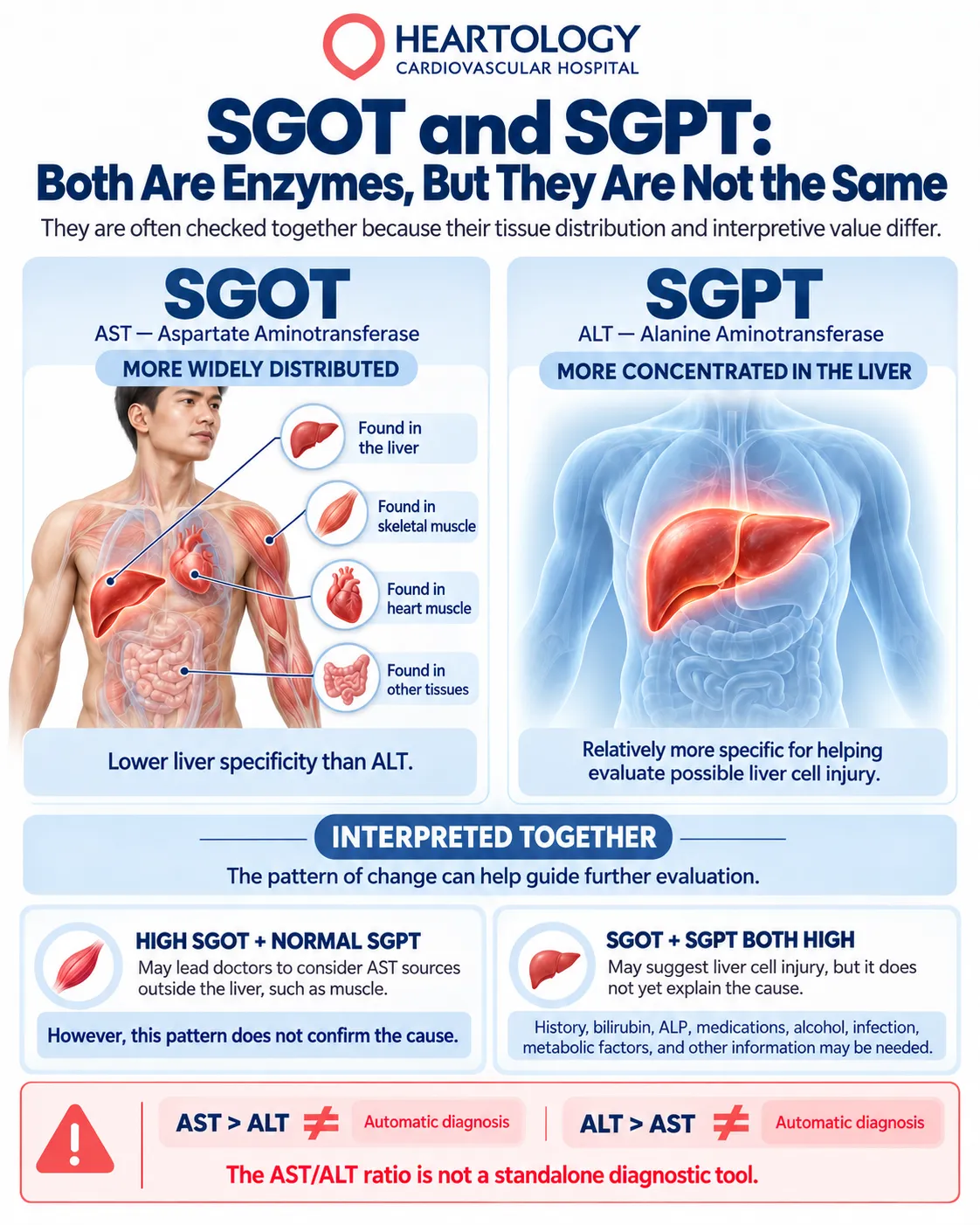
SGOT and SGPT refer to two enzymes whose activity is often measured together to help assess possible liver cell injury. SGOT is known as AST, while SGPT is known as ALT (alanine aminotransferase).
The main difference lies in how these enzymes are distributed throughout the body’s tissues.
AST is found in the liver, muscles, heart, and various other tissues. In contrast, ALT is more concentrated in the liver and is therefore generally more specific for evaluating liver cell injury.
| Feature | SGOT (AST) | SGPT (ALT) |
|---|---|---|
| Enzyme name | Aspartate aminotransferase | Alanine aminotransferase |
| Tissue distribution | Liver, muscles, heart, and other tissues | Primarily the liver |
| Liver specificity | Lower | Higher |
| Clinical use | Helps evaluate possible tissue injury, including injury to the liver and muscles | Helps evaluate possible liver cell injury |
| Interpretation | Must be assessed alongside other tests | Must be assessed alongside other tests |
Because these enzymes have different characteristics, the two tests complement each other. Doctors can evaluate patterns of change to help determine the next steps in the diagnostic evaluation.
What Does High SGOT With Normal SGPT Mean?
An elevated SGOT level with a normal SGPT level may lead your doctor to consider sources of AST outside the liver, such as skeletal muscles. However, this pattern alone is not enough to confirm the cause of the increase.
Your doctor may ask whether you have recently performed intense exercise, experienced a muscle injury, taken certain medications, or developed other symptoms.
If your doctor suspects muscle injury, a blood test measuring creatine kinase (CK) may help evaluate this possibility.
Nevertheless, a normal SGPT level does not automatically rule out all forms of liver disease.
What Does It Mean When Both SGOT and SGPT Are High?
When SGOT and SGPT levels are both elevated, your doctor will consider the possibility of liver cell injury. However, this pattern does not identify the underlying cause.
The evaluation may include the degree of elevation, the relationship between AST and ALT, and other results, such as bilirubin and alkaline phosphatase (ALP).
Your doctor will also need information about your medication history, alcohol consumption, possible infections, metabolic conditions, and symptoms.
Comparing AST and ALT levels can sometimes help assess certain diseases. However, the ratio between these two enzymes is not a standalone diagnostic tool.
Causes of High SGOT Levels
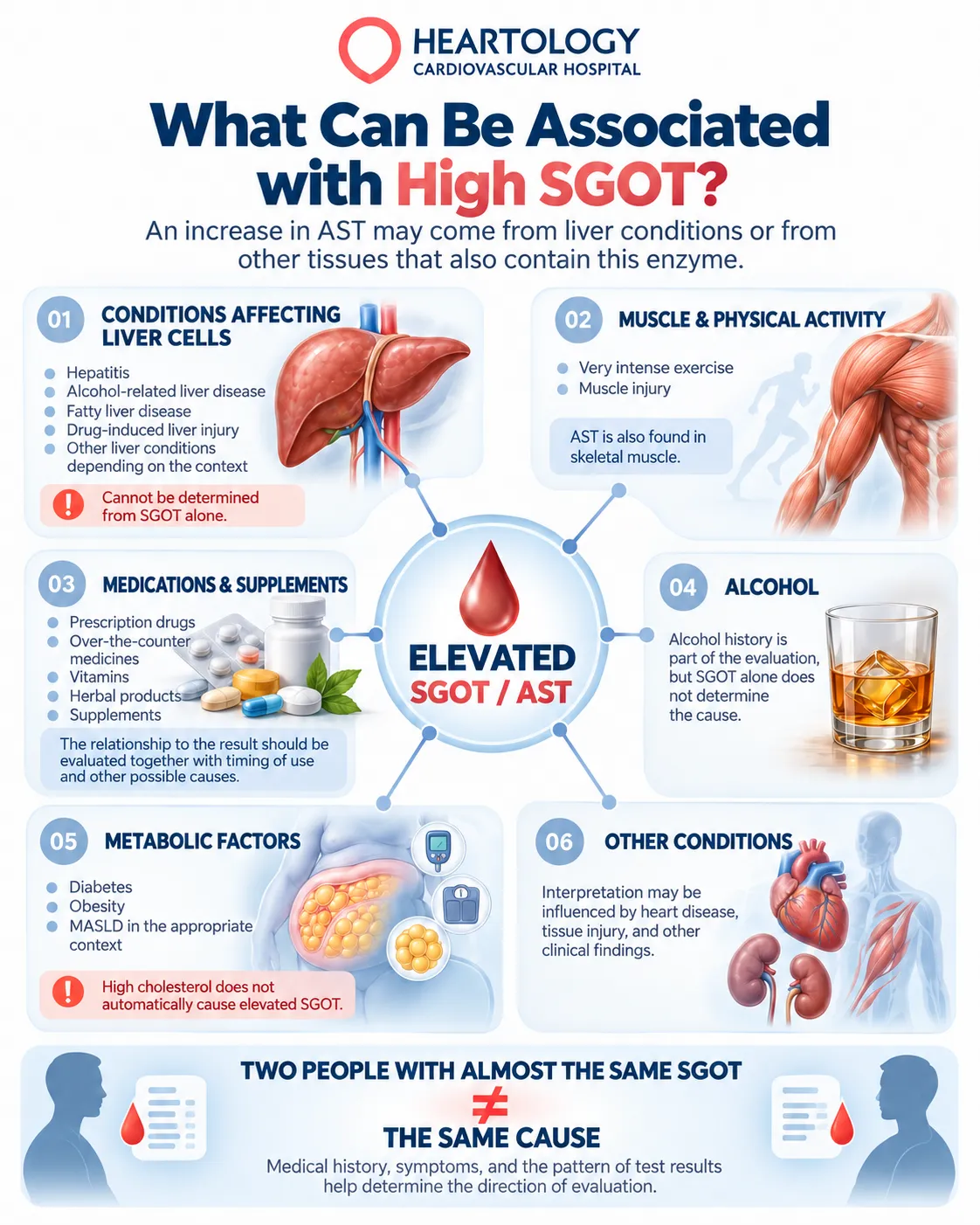
Elevated SGOT levels can result from liver conditions or injury to other tissues that contain AST. Therefore, an increase in this enzyme does not necessarily have the same explanation in every patient.
Two people with nearly identical SGOT levels may require different follow-up tests, depending on their medical histories, symptoms, and laboratory result patterns.
Conditions Affecting Liver Cells
Elevated AST levels may occur in various conditions that cause liver cell injury, including:
- Hepatitis: Inflammation of the liver caused by viral infections, autoimmune processes, or other factors.
- Alcohol-related liver disease: Liver conditions associated with alcohol exposure.
- Steatotic liver disease (fatty liver disease): Excessive fat accumulation in the liver that may have various causes.
- Drug-induced liver injury: Liver injury that may be triggered by certain medications, supplements, or substances.
- Other liver diseases: Including certain autoimmune disorders, iron metabolism disorders, or conditions affecting blood flow to the liver.
None of these conditions can be confirmed based on SGOT results alone.
Some liver conditions can also develop without obvious symptoms. For this reason, your doctor may consider further testing even if you still feel healthy.
Metabolic Factors and Coexisting Health Conditions
On an MCU report, SGOT is often listed alongside blood glucose, lipid profiles, and other health parameters.
This information helps your doctor understand potentially related risk factors.
For example, type 2 diabetes and obesity may be associated with metabolic dysfunction-associated steatotic liver disease (MASLD).
MASLD is a type of steatotic liver disease characterized by fat accumulation in the liver accompanied by at least one cardiometabolic risk factor. However, not all cases of fatty liver disease are classified as MASLD, as their causes and classifications may differ.
On the other hand, a high cholesterol result does not automatically mean that cholesterol is causing your SGOT level to rise. Your doctor still needs to evaluate each parameter in its appropriate context.
If several MCU results fall outside their reference ranges, avoid assuming that they all stem from a single disease. A comprehensive evaluation can help identify possible relationships between the findings.
To learn more about a liver condition associated with metabolism, read Heartology’s article on fatty liver disease, its causes, symptoms, and treatment.
Strenuous Physical Activity and Muscle Injury
Exercise is important for maintaining good health. However, very intense physical activity, particularly if you are not accustomed to it, can increase AST levels and certain markers of muscle injury.
This can occur because AST is also found in skeletal muscles.
A study by Pettersson and colleagues involving 15 healthy men found that intense weightlifting could increase AST, ALT, and markers of muscle injury. In the study, several parameters remained elevated for at least seven days after exercise.
These findings help explain why physical activity needs to be considered when interpreting laboratory results.
If you recently engaged in strenuous exercise before your MCU, inform your doctor. However, do not assume that exercise is the definite cause of an elevated SGOT level without further evaluation.

Medications, Supplements, and Alcohol Consumption
Medications, supplements, and exposure to certain substances can affect liver enzyme test results. Therefore, information about the products you take is an important part of SGOT evaluation.
Before your consultation, prepare a list of:
- Prescription medications you take regularly.
- Over-the-counter medications, including pain relievers.
- Vitamins, supplements, and herbal products.
- Medications you have recently started taking or whose dosages have changed.
- Relevant alcohol consumption habits.
For patients taking cholesterol-lowering medications such as statins, changes in liver enzyme levels may be one consideration in the doctor’s evaluation.
However, an elevated SGOT level does not automatically mean that statin therapy must be stopped. Your doctor needs to consider the benefits of treatment, your clinical condition, AST and ALT results, and other possible causes.
Stopping cholesterol-lowering medication without medical guidance can interfere with cardiovascular risk management.
For more information, read Heartology’s article on statins for preventing heart attacks.
Does High SGOT Always Cause Symptoms?
No. Many people discover that their SGOT level is elevated only after undergoing a blood test, without having experienced any symptoms beforehand.
It is important to understand that an elevated SGOT level is a laboratory finding, not a disease with its own specific symptoms. If symptoms occur, they are usually associated with the underlying condition responsible for the change.
In some liver diseases, symptoms may include:
- Fatigue.
- Nausea or reduced appetite.
- Abdominal discomfort.
- Darker urine.
- Yellowing of the skin or whites of the eyes.
These symptoms can also be caused by other conditions. Therefore, your doctor needs to evaluate them alongside your test results and medical history.
The Relationship Between SGOT and Heart Health
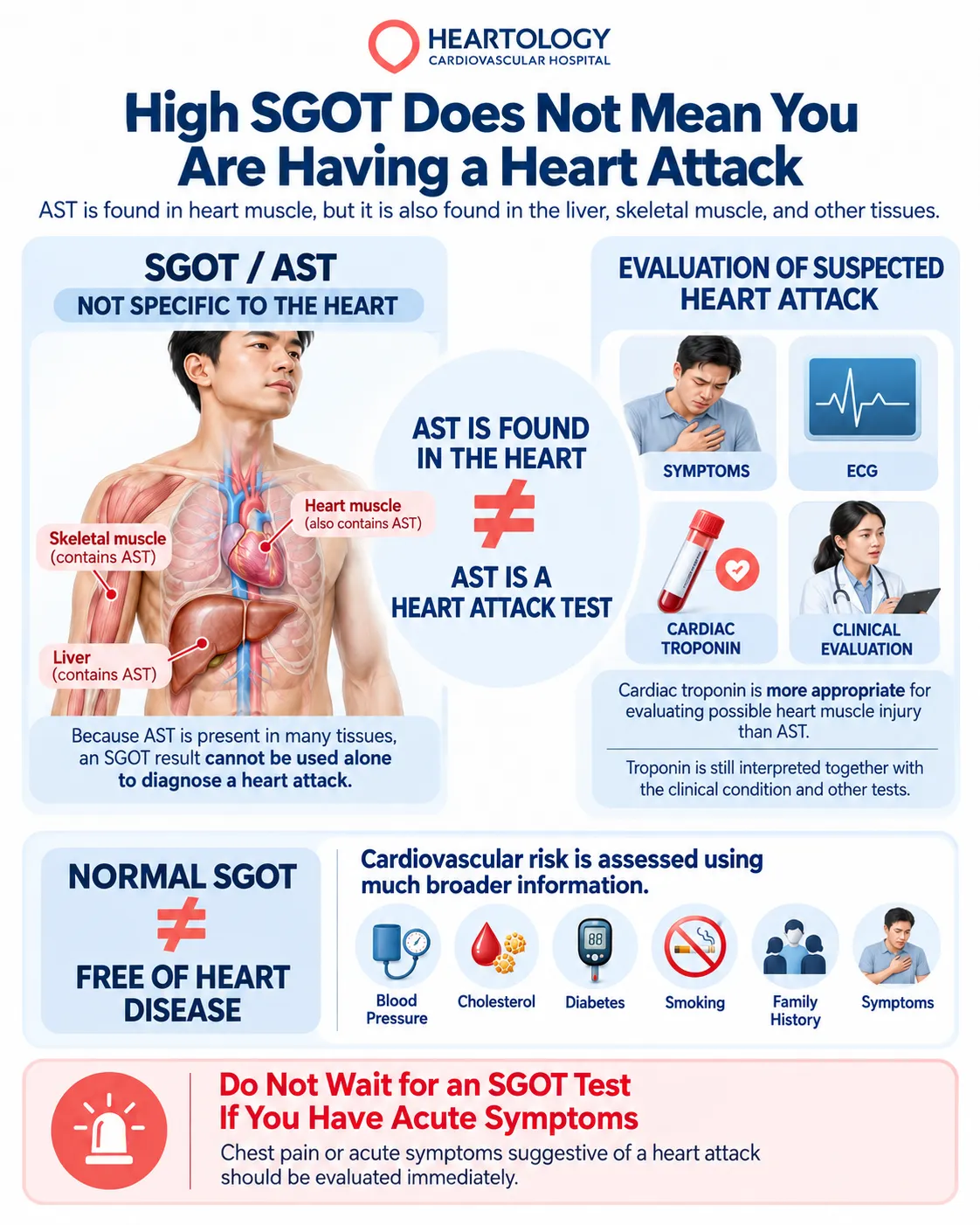
SGOT is also found in heart muscle, but an elevated SGOT level does not prove that someone has heart disease.
In the past, AST was used as one of the markers of heart tissue injury. Today, doctors use more specific markers, such as cardiac troponin, to assess possible heart muscle injury.
In the context of an MCU, SGOT results provide one piece of information about your health. Meanwhile, cardiovascular risk assessment considers a broader range of factors, including blood pressure, cholesterol, diabetes, smoking habits, family history, and symptoms.
Therefore, an elevated SGOT level cannot be used to diagnose heart disease. Conversely, a normal SGOT level does not guarantee that someone is free from cardiovascular disease.
Can SGOT Be Used to Diagnose a Heart Attack?
No. SGOT is not a primary test for diagnosing a heart attack.
When someone experiences symptoms suggestive of a heart attack, doctors assess their symptoms, perform an electrocardiogram (ECG/EKG), and consider cardiac troponin testing.
Cardiac troponin, particularly when measured using high-sensitivity assays, is more appropriate than AST for evaluating heart muscle injury. However, troponin results must still be interpreted alongside the clinical condition and other examinations.
Therefore, do not use your SGOT result as a reason to delay medical attention if you develop chest pain or other acute symptoms suggestive of a heart problem.
How to Read Your SGOT Results After an MCU
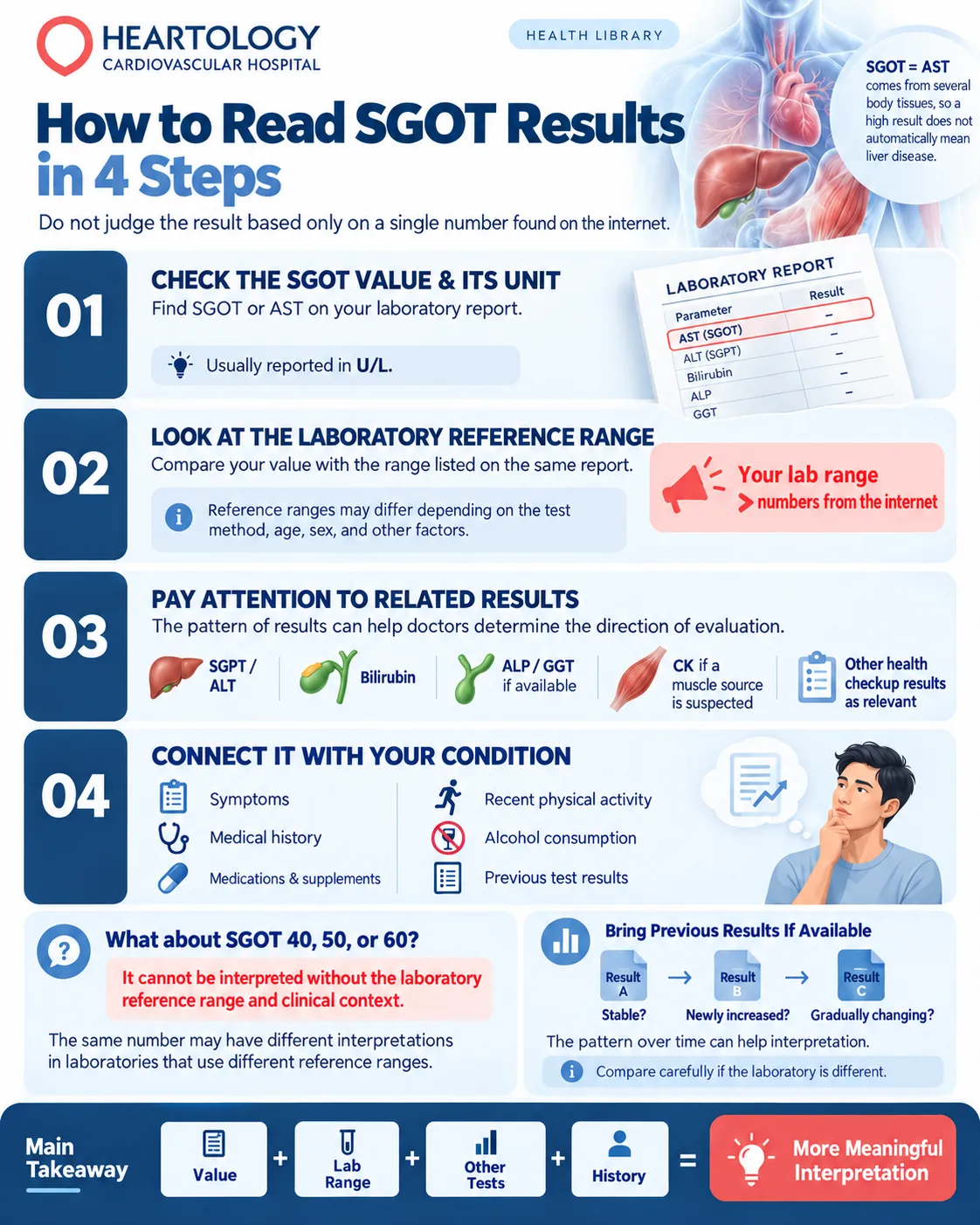
Reading your SGOT results after an MCU begins with comparing the measured value against your laboratory’s reference range, then reviewing other test results and your overall health.
This approach can help you understand the information in your report without attempting to diagnose yourself.
Four Steps to Understanding Your SGOT Results
1. Check your SGOT value and its unit of measurement
Find the SGOT or AST value on your report. Check the unit used, which is usually U/L.
2. Review the laboratory’s reference range
Compare your result with the reference range provided on the same report. Avoid relying solely on reference limits from a different laboratory.
3. Look at related test results
Check whether SGPT, bilirubin, or other parameters fall outside their reference ranges or have changed compared with previous results. Patterns across these findings can help your doctor consider possible causes.
4. Consider your overall health
Make note of your symptoms, medical history, medications, recent physical activity, and previous test results.
These four steps can help you prepare for a more focused consultation. However, the final interpretation still requires a medical assessment tailored to your circumstances.
Why Should SGOT Be Interpreted Alongside Other Test Results?
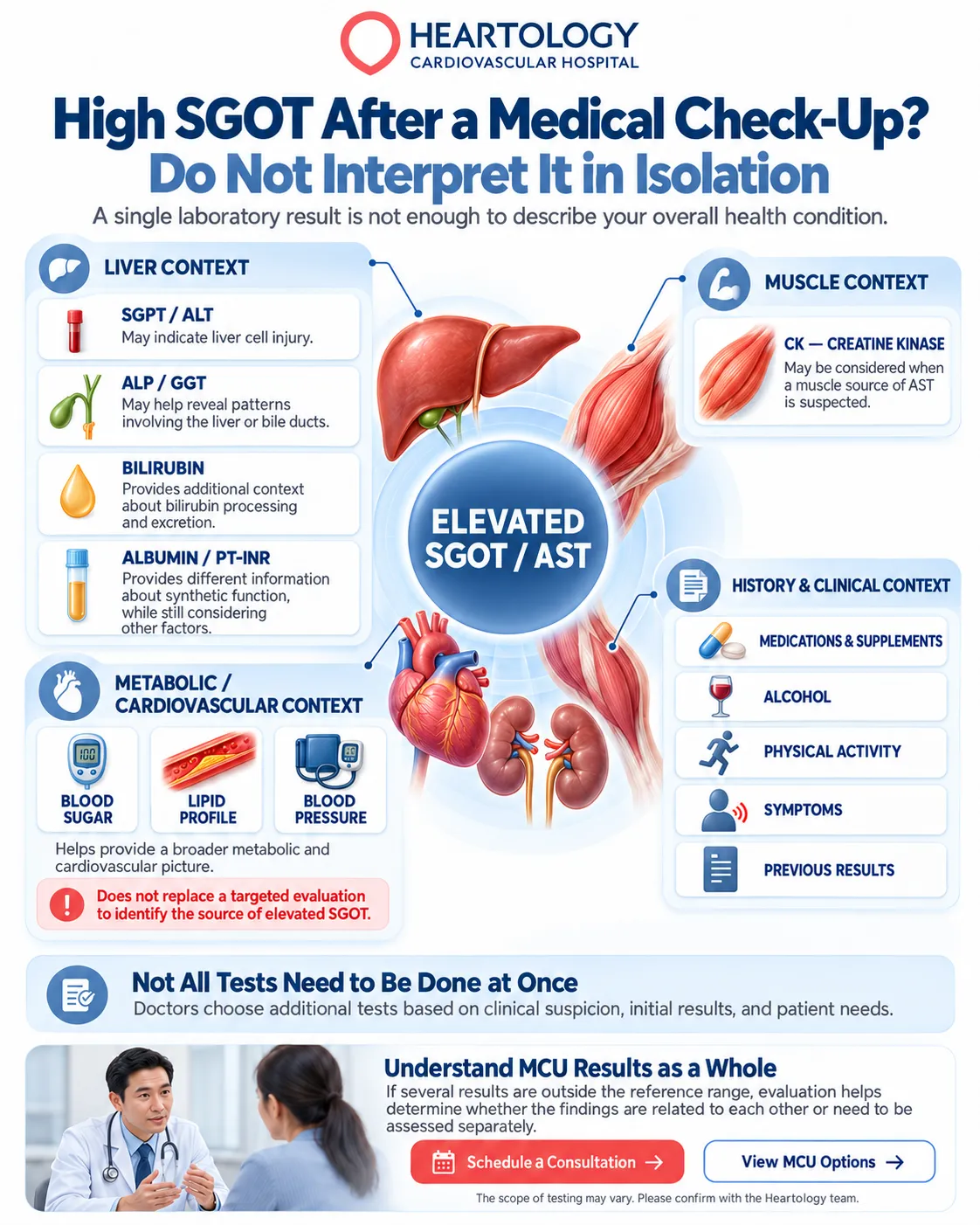
A single laboratory result is not enough to provide a complete picture of a person’s health.
If your SGOT level is elevated, your doctor may consider other parameters, such as:
| Test | Information That May Help With Evaluation |
|---|---|
| SGPT/ALT | Possible liver cell injury |
| Alkaline phosphatase (ALP) and gamma-glutamyl transferase (GGT) | Patterns of abnormalities that may involve the liver or bile ducts |
| Bilirubin | Helps assess bilirubin processing and excretion, as well as possible liver or bile duct problems |
| Albumin and PT/INR (international normalized ratio) | Aspects of the liver’s synthetic function, while accounting for other factors that may affect the results |
| Creatine kinase (CK) | Possible muscle injury when muscles are suspected as the source of AST |
Not all of these tests need to be performed at the same time. Your doctor will determine which additional tests are appropriate based on clinical suspicion, initial results, and your individual needs.
Blood glucose, cholesterol, and blood pressure measurements can also provide insight into metabolic and cardiovascular health. However, these parameters do not replace a targeted evaluation to identify the source of elevated SGOT.
[hw_info_box]
type: doctor_tip
title: Doctor’s Note: Compare Your Results Carefully
icon: doctor
description: If you have SGOT results from two different tests, check whether they were performed by the same laboratory and used the same reference range. Differences in testing methods can affect how results are compared over time.
show_reviewer: no
[/hw_info_box]
What to Do If Your SGOT Level Is High
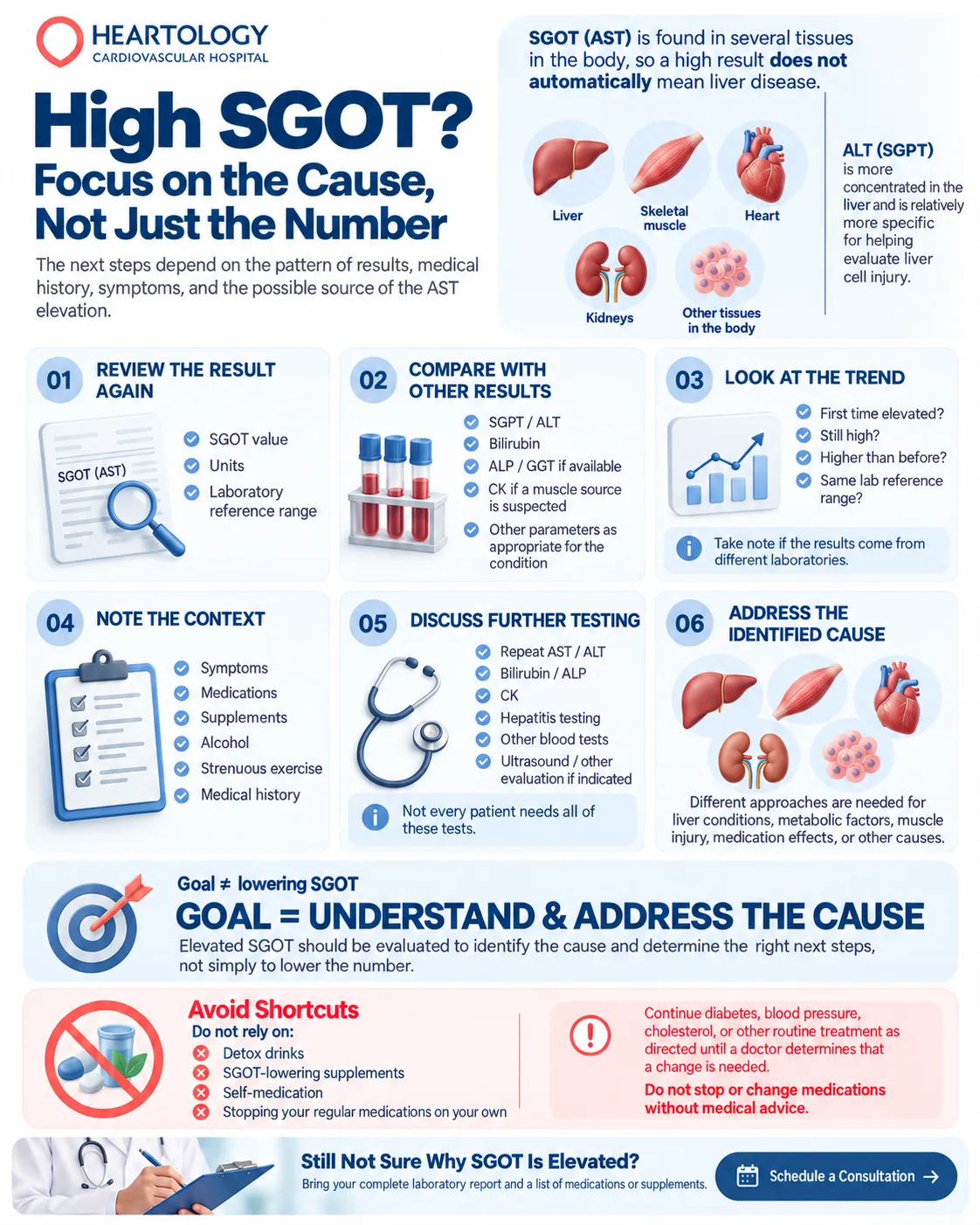
If your SGOT level is elevated, the most important step is to identify the underlying cause rather than simply trying to lower the laboratory value.
The management of someone with hepatitis may differ from that of someone whose AST level has increased because of muscle activity. Therefore, further testing and lifestyle changes need to be tailored to the individual’s condition and its underlying cause.
Review Your Test Results and Medical History
Before deciding on the next steps, consider:
- Your SGOT value and the laboratory’s reference range.
- Your SGPT results and any other available test findings.
- Changes compared with previous results.
- Your history of medications, supplements, alcohol consumption, and physical activity.
- Any accompanying symptoms or changes in your health.
This information helps your doctor decide whether repeat testing, additional investigations, or a more specific evaluation is necessary.
If your SGOT level is significantly above the reference range, changes rapidly, or is accompanied by other clinically significant findings, medical evaluation should not be delayed simply because you have no symptoms.
What Additional Tests May Be Needed?
Further testing depends on the suspected cause of the elevated AST level.
Your doctor may consider repeating AST and ALT tests to confirm the results. Additional investigations, such as hepatitis testing, bilirubin, ALP, CK, or other blood tests, may also be needed depending on your condition.
In certain situations, an abdominal ultrasound or tests to assess possible liver fibrosis may also be considered.
According to guidelines from the American College of Gastroenterology, the evaluation of abnormal liver enzyme results takes into account the degree of elevation, the pattern of test results, medical history, and clinical findings.
In other words, there is no single set of follow-up tests that everyone with an elevated SGOT level must undergo.
Can Lifestyle Changes Help?
Lifestyle changes can be an important part of management, particularly if your doctor identifies metabolic risk factors or steatotic liver disease.
In these situations, dietary adjustments, weight management, and appropriate physical activity can help support overall metabolic health.
However, elevated SGOT caused by hepatitis, muscle injury, or medication-related effects may require a different approach.
Therefore, avoid relying on specific foods, detox drinks, or supplements that claim to lower SGOT quickly without adequate medical evidence.
If you are receiving treatment for diabetes, hypertension, or high cholesterol, continue following your doctor’s instructions unless a medical evaluation determines that your treatment needs to be adjusted.
When Should You See a Doctor?
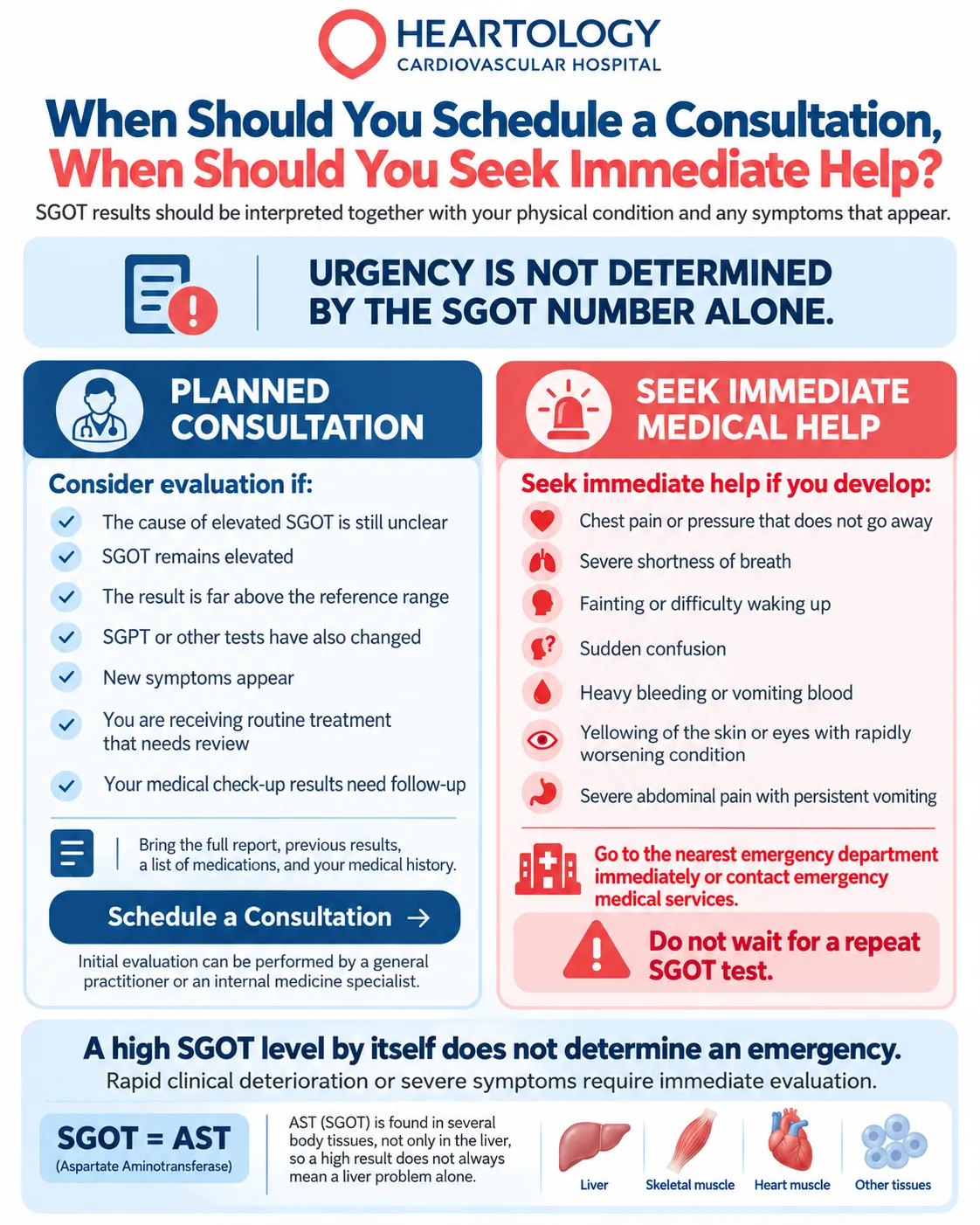
You should consult a doctor about an elevated SGOT level if the cause is unclear, the elevation persists, or the result is accompanied by changes in other tests or new symptoms.
However, not every SGOT result outside the reference range constitutes a medical emergency. Your doctor will consider the degree of elevation, your clinical condition, and possible causes to determine how urgently follow-up is needed.
When Should You Schedule a Consultation?
A scheduled consultation can help determine whether your SGOT result needs to be confirmed, monitored, or investigated further.
If your recent MCU shows an elevated SGOT level but you have no warning signs, prepare your complete laboratory report and medical history for discussion with your doctor. If the level is very high or accompanied by significant abnormalities in other tests, contact a healthcare professional sooner, even if you have no symptoms.
An initial evaluation may be performed by a general practitioner or an internal medicine specialist. Your doctor can then determine whether referral to another specialist is necessary based on the suspected cause.
[hw_info_box]
type: when_to_see_doctor
title: When Should You Consult a Doctor?
icon: appointment
description: Schedule a medical evaluation if your SGOT level remains elevated, is significantly above the reference range, or is accompanied by changes in SGPT or new symptoms. If you are receiving regular treatment, provide your doctor with a list of your medications.
show_cta: no
[/hw_info_box]
When Should You Seek Immediate Medical Attention?
A medical emergency is not determined by the SGOT value alone. Your physical condition and symptoms must also be considered.
For example, chest pain suggestive of a heart attack requires immediate evaluation without waiting for another SGOT test. The same applies to changes in consciousness, unusual bleeding, or rapidly worsening health.
In severe acute liver disorders, changes in consciousness and impaired blood clotting are warning signs that require immediate hospital evaluation.
[hw_info_box]
type: emergency_signs
title: Seek Immediate Medical Attention
icon: warning
description: Go to the nearest emergency department or contact emergency medical services immediately if you experience any of the following signs. Do not wait for a repeat SGOT test.
sign: Chest pain or pressure that does not go away.
sign: Severe shortness of breath.
sign: Fainting or difficulty being awakened.
sign: Sudden confusion.
sign: Severe bleeding or vomiting blood.
sign: Yellowing of the skin or eyes accompanied by rapidly worsening health.
sign: Severe abdominal pain accompanied by persistent vomiting.
[/hw_info_box]
Conclusion: Understanding Your SGOT Results
SGOT is another name for AST, an enzyme found in the liver, muscles, heart, and other tissues throughout the body. This test helps doctors evaluate possible cell injury, but its results cannot be used alone to diagnose a specific disease.
If your SGOT level is elevated, consider your laboratory’s reference range, SGPT results, related tests, and medical history. The purpose of evaluation is to understand the cause of the change and determine appropriate next steps, rather than simply focusing on achieving a normal number.
If you undergo regular medical checkups, your SGOT result is one important piece of information for understanding your overall health. When findings are unclear, a medical consultation can help you make informed decisions based on your individual condition.
[hw_body_cta]
layout: 01
color: offwhite
intent: consultation
hook: If Your MCU Reveals Heart Health Risks
headline: Understand the Appropriate Next Steps for Heart Evaluation
description: If your medical checkup also identifies cardiovascular risk factors, the Heartology team can help explain relevant consultation options and heart health examinations.
btn1_label: Schedule a Consultation
btn1_url: /en/appointments/
btn1_new_tab: yes
btn2_label: Explore MCU Options
btn2_url: /en/health-checkups/
btn2_new_tab: yes
[/hw_body_cta]